





Trillet AI receptionist for HVAC
Turn missed calls into booked service calls
When you are on a rooftop unit or inside an attic, your AI receptionist answers the call, screens no-heat and no-AC emergencies from routine work, captures the system details, and books the job. You get qualified service calls, not voicemails.
From $49/mo. Keep your number. 28-day money-back guarantee.
The real cost of a missed call
When it is 20 degrees outside and a furnace will not start, the customer will not leave a voicemail and wait three hours for a callback. They dial the next HVAC contractor in the search results. By the time you finish the current service call and check your messages, the emergency repair is already booked with whoever answered live.
Every missed call is a service call that goes somewhere else.
What you get from day one
24/7
calls answered, even when you are on a rooftop unit
1.4M+
calls handled across real businesses
< 5 min
to set up, keeping your existing number
Every kind of call, handled
01
No-heat and no-AC triage, day or night
A dead furnace in a cold snap will not wait for a callback. Trillet screens every caller for urgency the moment they ring, captures the system and symptoms, and flags true emergencies to you instantly so the high-value jobs never slip to the next HVAC company.

Transcript
Voice · EmergencyCaller
My furnace stopped overnight and the house is freezing. Nothing comes on when I turn up the thermostat.
AI agent
I am sorry, that is no fun in this cold. I am flagging this as an emergency and getting a technician headed your way now.
Emergency flagged to ownerNo heat · furnace not starting · SMS + call sent
02
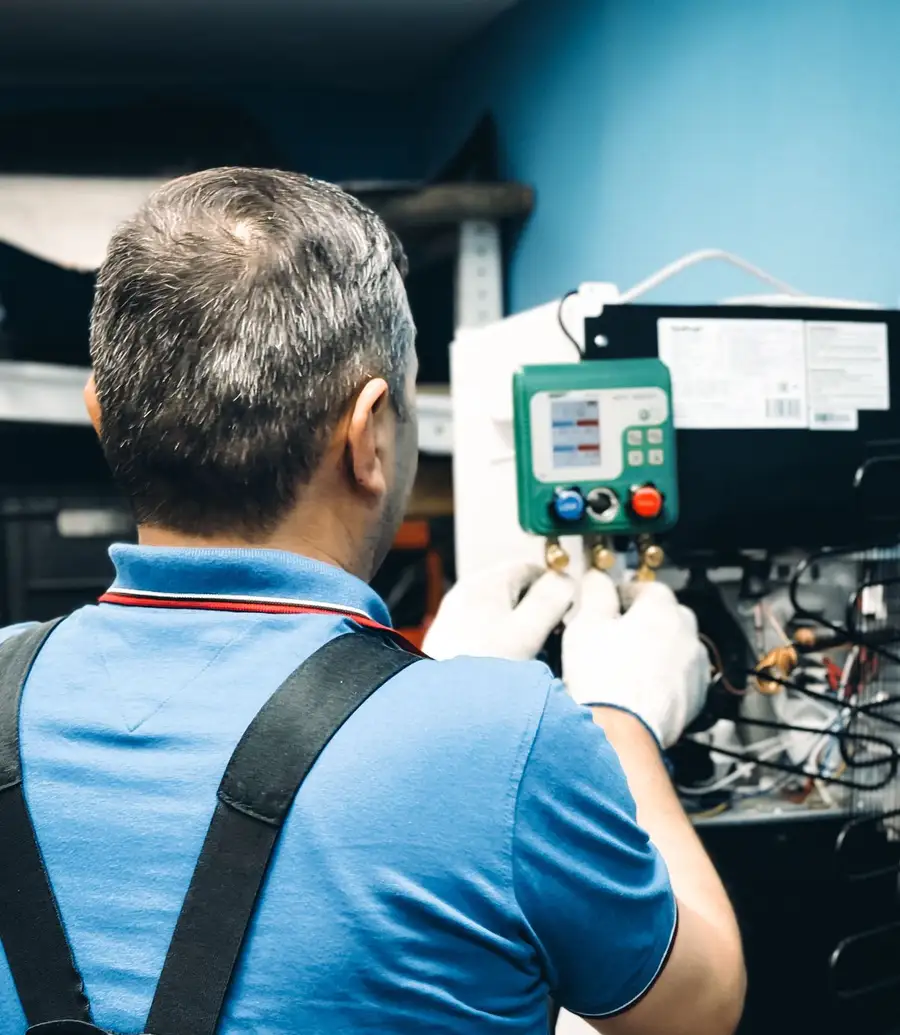
After-hours and peak-season cover
Nights, weekends and the first cold snap of the year are when emergencies happen, and when your competitors send callers to voicemail. Trillet answers every one, sorts urgent from routine, and books the work while you sleep.
Transcript
Voice · 9:12 PMAI agent
You have reached Martinez Heating and Air. We are closed, but I can still help. Is this an emergency or can it wait for morning?
Caller
The AC quit and it is still 90 in here. Could someone come tomorrow?
Booking link textedSat 8:00 AM · slot held
03
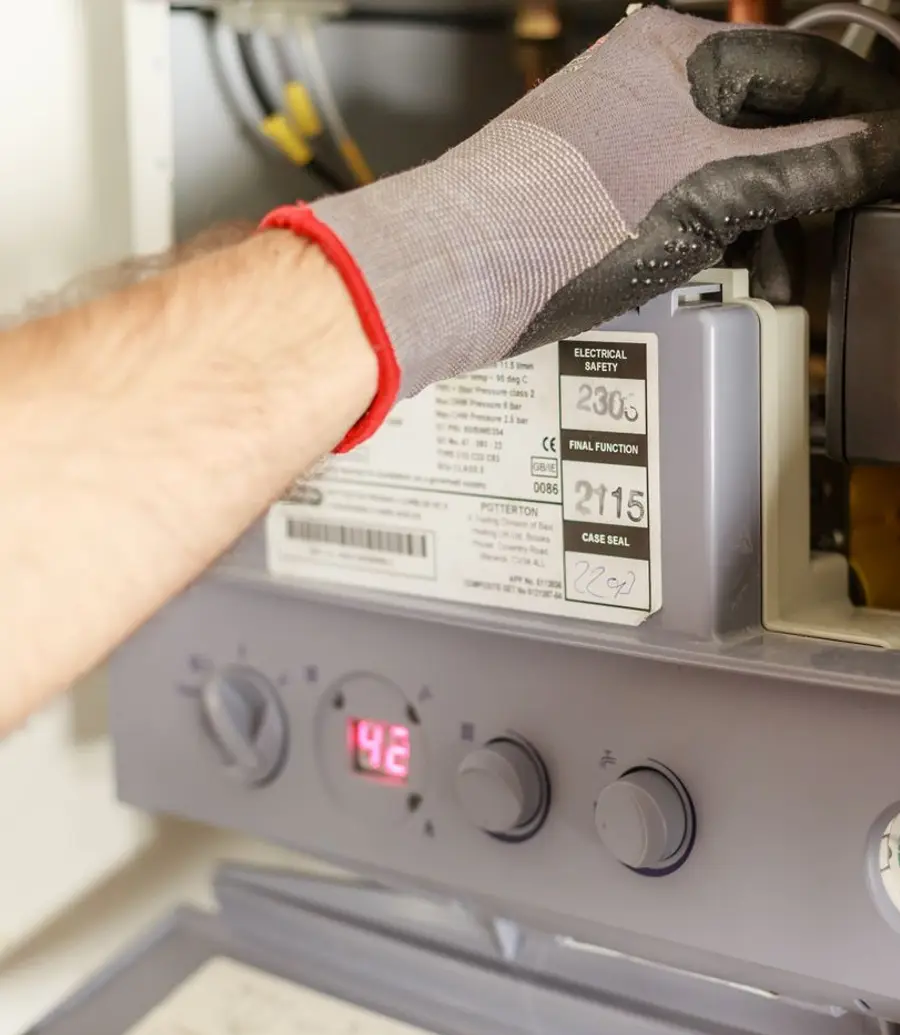
System details and symptoms
Trillet asks your intake questions on every call: the system type and age, the specific symptoms like noise, smell, cycling or airflow, thermostat readings, and whether it is residential or commercial. You arrive ready to diagnose, not guessing.
Transcript
VoiceAI agent
Got it. Do you know the brand and roughly how old the unit is, and is it making any noise or smell when it runs?
Caller
It is a Carrier, maybe ten years old, and it clicks then shuts off after a minute.
System details capturedCarrier · ~10yr · short-cycling
04
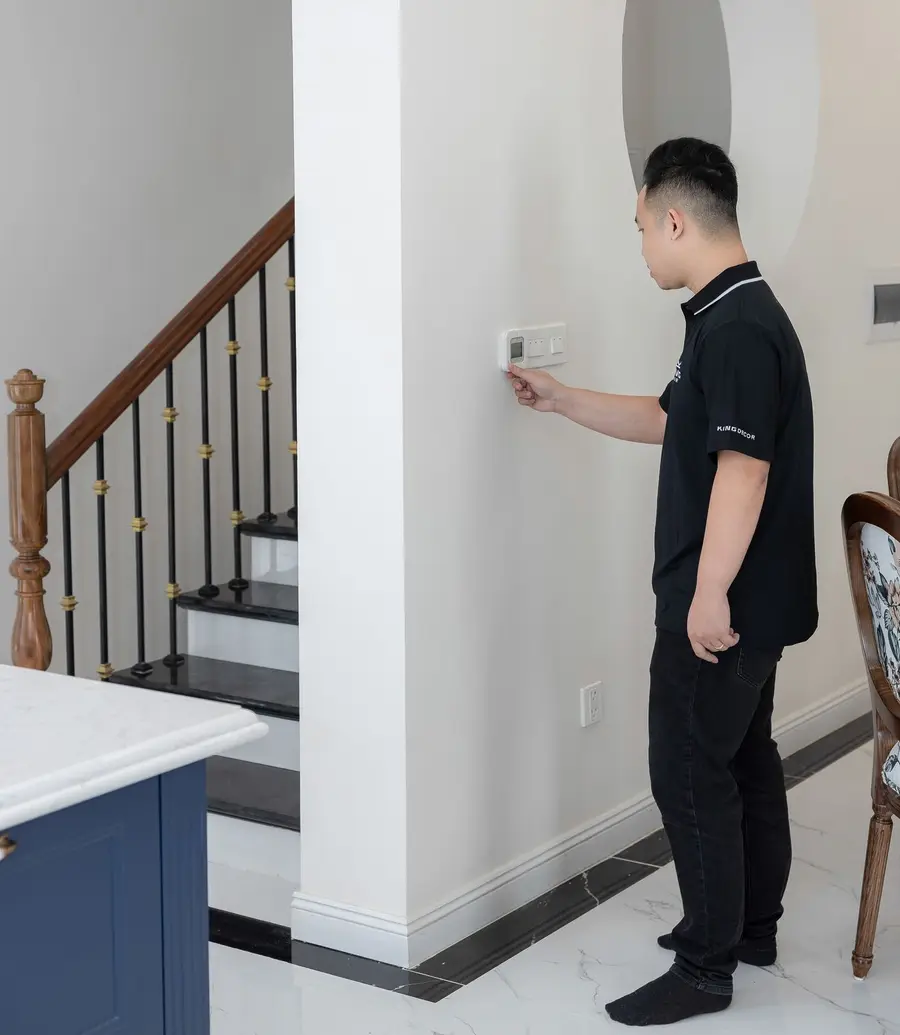
Booking straight into your calendar
When a caller is ready to book, Trillet texts your scheduling link and drops the job into your calendar with the system details attached. No phone tag, no double entry. Prefer to call back yourself? Booking is optional: Trillet can send you the caller details and job description straight away instead.
Transcript
Voice · SMSCaller
Can you get someone out to look at my AC before the weekend?
AI agent
I have texted you a link to book. Thursday at 2 is open. Grab it and you are set.
Appointment bookedThu 2:00 PM · calendar synced
05
Filtering the calls that are not a fit
Not every call is a job you want. Trillet politely declines work outside your services or area, then emails you the summary so you still know who called and why.
Transcript
VoiceCaller
Do you guys install commercial refrigeration for restaurants?
AI agent
We focus on residential heating and cooling, so that is outside what we take on. I will pass your details along so nothing is lost.
Out-of-scope call loggedSummary emailed to owner
Results HVAC pros can count on
24/7
every call answered, days, nights and weekends
Every call
screened for a no-heat or no-AC emergency
End-to-end
from the first ring to a booked job in your calendar
Zero
callers sent to voicemail

- Error rate
- <1%
- Call escalations reduced to
- <15%
Integrations
Books straight into your calendar
Trillet books into the calendar you already run, texts the caller a confirmation, and sends every call summary to your inbox. No new systems to learn. No double entry.
During the call
Appointment booked into your calendar
Confirmation texted to the caller
Job details and urgency captured on the call
Call summary emailed the moment they hang up
Connects to your calendar
Outlook works through Cal.com.
Answers every call, day or night, with no downtime.
Keep your existing business number. Calls ring you first and only forward when you cannot answer.
Every call recorded, transcribed and summarised for your records.
Australian data residency available for call recordings, transcripts and backups, with in-country LLM hosting available.
No lock-in. Cancel anytime, backed by a 28-day money-back guarantee.
Frequently asked questions
It is a voice AI that answers your phone 24/7, screens each caller for a no-heat or no-AC emergency versus routine work, captures the system details, and books the visit or texts your booking link. Instead of sending callers to voicemail, every furnace failure or dead AC unit is captured with full context, even during a cold snap at 2am.
Yes. Screening for urgency is the first thing it does on every call. No heat in 20 degree weather or no AC in a heat wave is flagged as an emergency and sent to you straight away, while a spring tune-up or an installation quote gets your booking link. You stop missing urgent, high-value work while you are on a rooftop or in an attic.
Yes. Your receptionist answers 24/7, including nights, weekends and holidays. HVAC emergencies do not keep business hours, and peak season is exactly when you are busiest and most likely to miss the high-value no-heat and no-AC calls your competitors send to voicemail.
Trillet asks your intake questions on every call: the system type and age, the specific symptoms such as noise, smell, cycling or airflow, thermostat readings, and whether the property is residential or commercial. You arrive prepared to diagnose, not guessing, with the full transcript attached.
Yes. Calendar booking is optional. Many HVAC techs on a job would rather Trillet take the caller details and a description of the problem, then send them to you straight away so you can call back when you are free. Urgent calls like a no-heat or no-AC emergency are flagged to you immediately.
Trillet starts at $49 a month with a 28-day money-back guarantee. That is less than an hour of billable service work, and a single recovered emergency service call during peak season can cover it for years.
Ready to stop losing peak-season jobs to missed calls?
Set up in under 5 minutes. Keep your number. Cancel anytime.
28-day money-back guarantee, no questions asked.